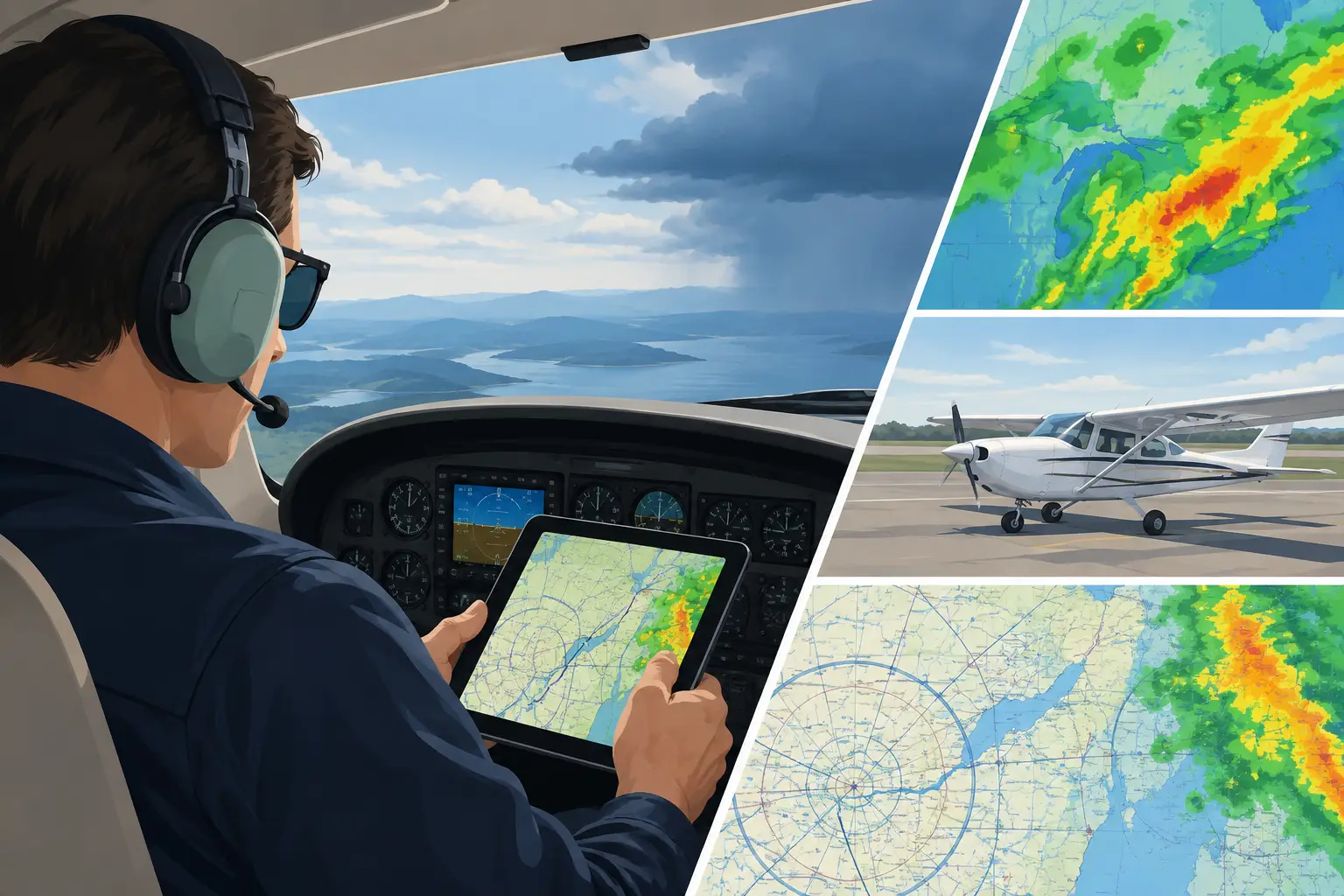
When Should Pilots Delay Travel Commitments?
Learn when should pilots delay travel commitments, read weather patterns early, and protect the trip before pressure narrows your options at departure.

Preflight Decision Support Platforms Review
A practical preflight decision support platforms review for GA pilots who need earlier weather insight before commitments and travel plans change.

The Trend Toward Probability-Based Flight Planning
See why the trend toward probability-based flight planning gives GA pilots earlier insight, clearer tradeoffs, and better go/no-go decisions before TAFs.
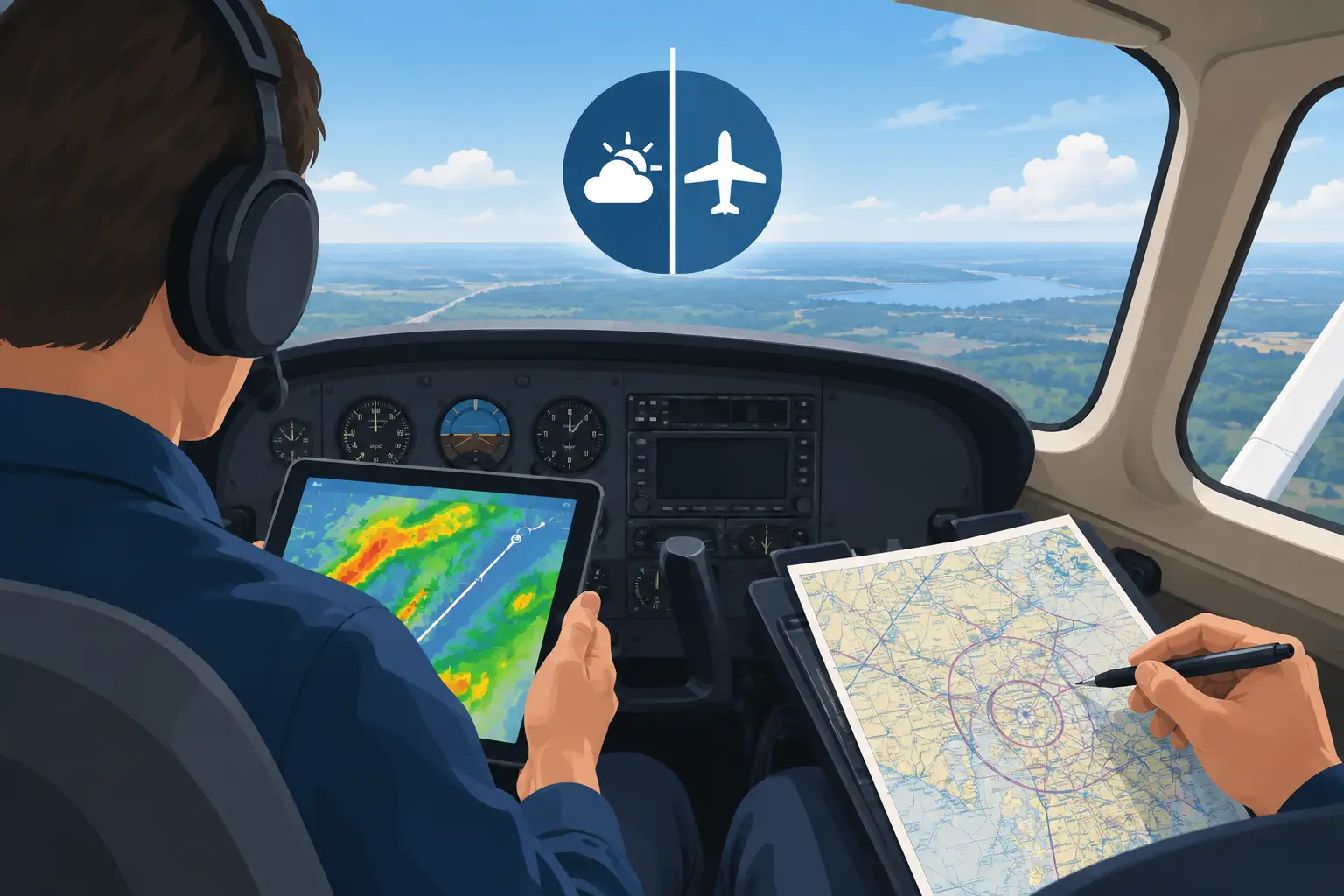
WX Score vs Rule of Thumb for Flight Planning
WX Score vs rule of thumb: see why personalized, route-specific probability gives pilots earlier, clearer guidance for real trip decisions days ahead.

Flight Weather Software Before TAFs Exist
Flight weather software helps pilots assess a route days ahead, before TAFs arrive, so commitments and backup plans are made with better judgment early.

Pilot Limits Versus Model Guidance in Practice
Pilot limits versus model guidance is not a contest. Learn how to use forecast probabilities without letting a favorable model outrun judgment today.

Route Weather Planning Before the Pressure Builds
Plan IFR route weather beyond destination TAFs, pick cruise altitude for freezing level and icing bands, and choose fuel stops as weather outs before schedule pressure locks the mission.
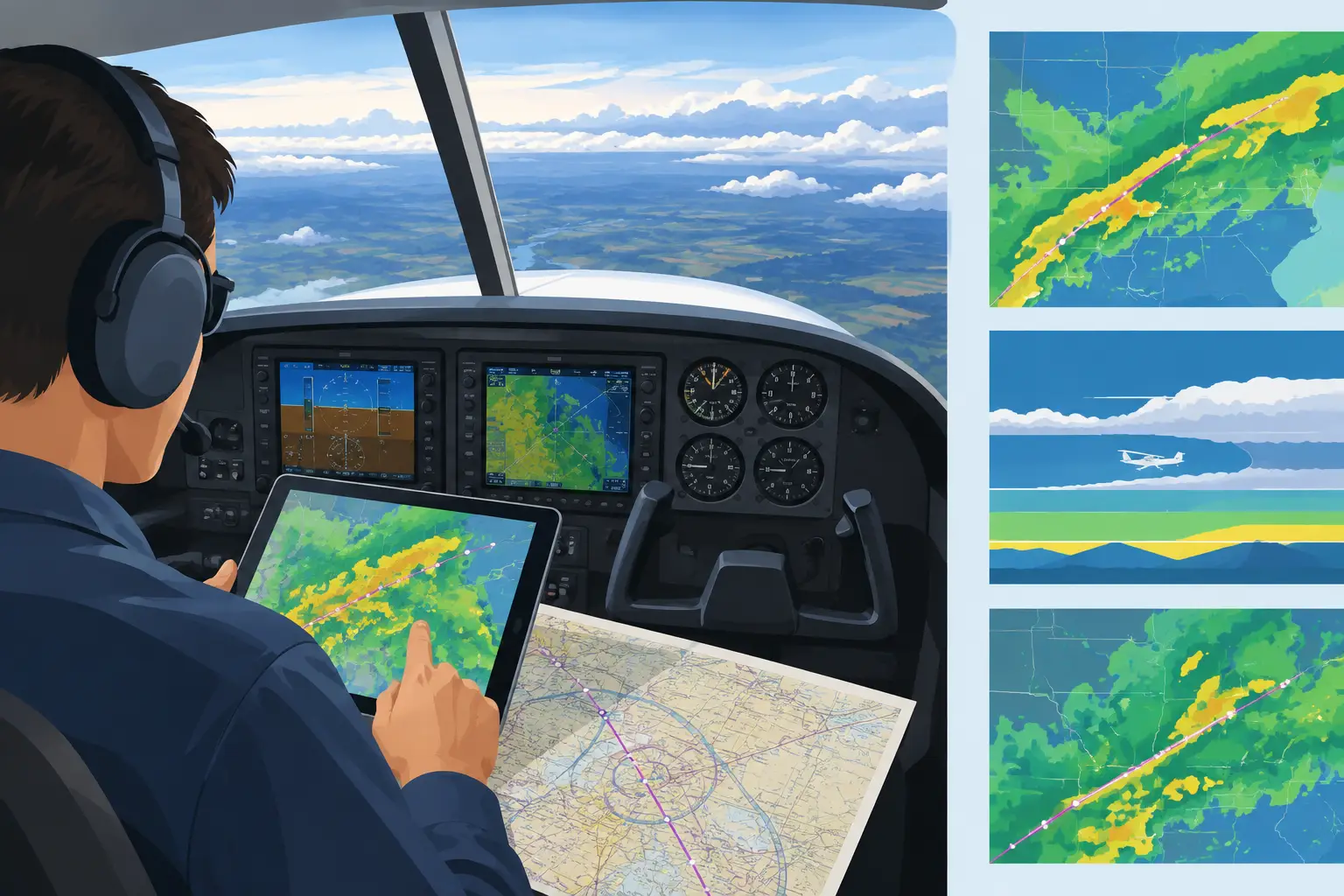
How to Evaluate Ceiling Probability Along Routes
Learn how to evaluate ceiling probability routes before TAFs exist, using trends, route segments, timing, and personal IFR minimums for smarter trip calls.

eAPIS for General Aviation: How to File Before You Cross
Learn what eAPIS is for private aircraft, what to prep before you file, and how GA pilots avoid common delays. Not legal advice; verify with CBP.

GA Customs App: Airport of Entry Finder for Private Pilots
GA Customs is a free iOS app to find U.S. Airports of Entry, hours, and fees for private aircraft. From the PlaneWX family. Not CBP.

U.S. Airports of Entry for GA: How to Find the Right AOE
What a U.S. Airport of Entry means for private aircraft, how to research AOEs before you plan, and where GA Customs fits. Verify with CBP.
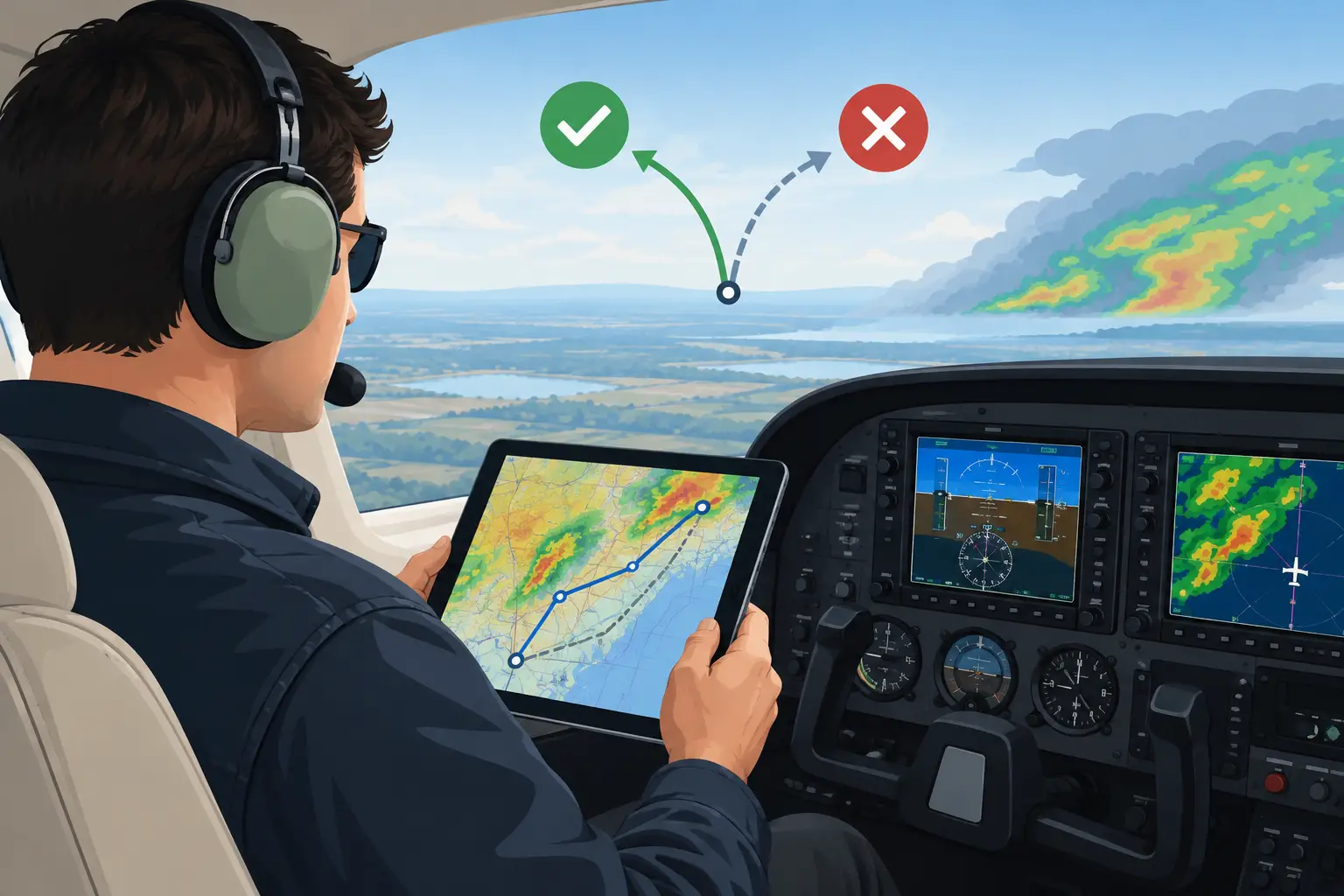
After 1800WXBRIEF: Decision Support for the Go/No-Go
Already use 1800WXBRIEF or Flight Service? PlaneWX sits beside that official brief with personalized go/no-go decision support.

Flight Weather Editor for Pilots
A flight weather editor is how you revise route, timing, and go/no-go before pressure locks in. Score the window to your aircraft and personal mins, then decide.

Best Pilot Weather Apps for Decision Support (2026)
Compare pilot weather apps for go/no-go decisions in 2026, including ForeFlight, Garmin Pilot, Windy, AWC, and PlaneWX DSS.
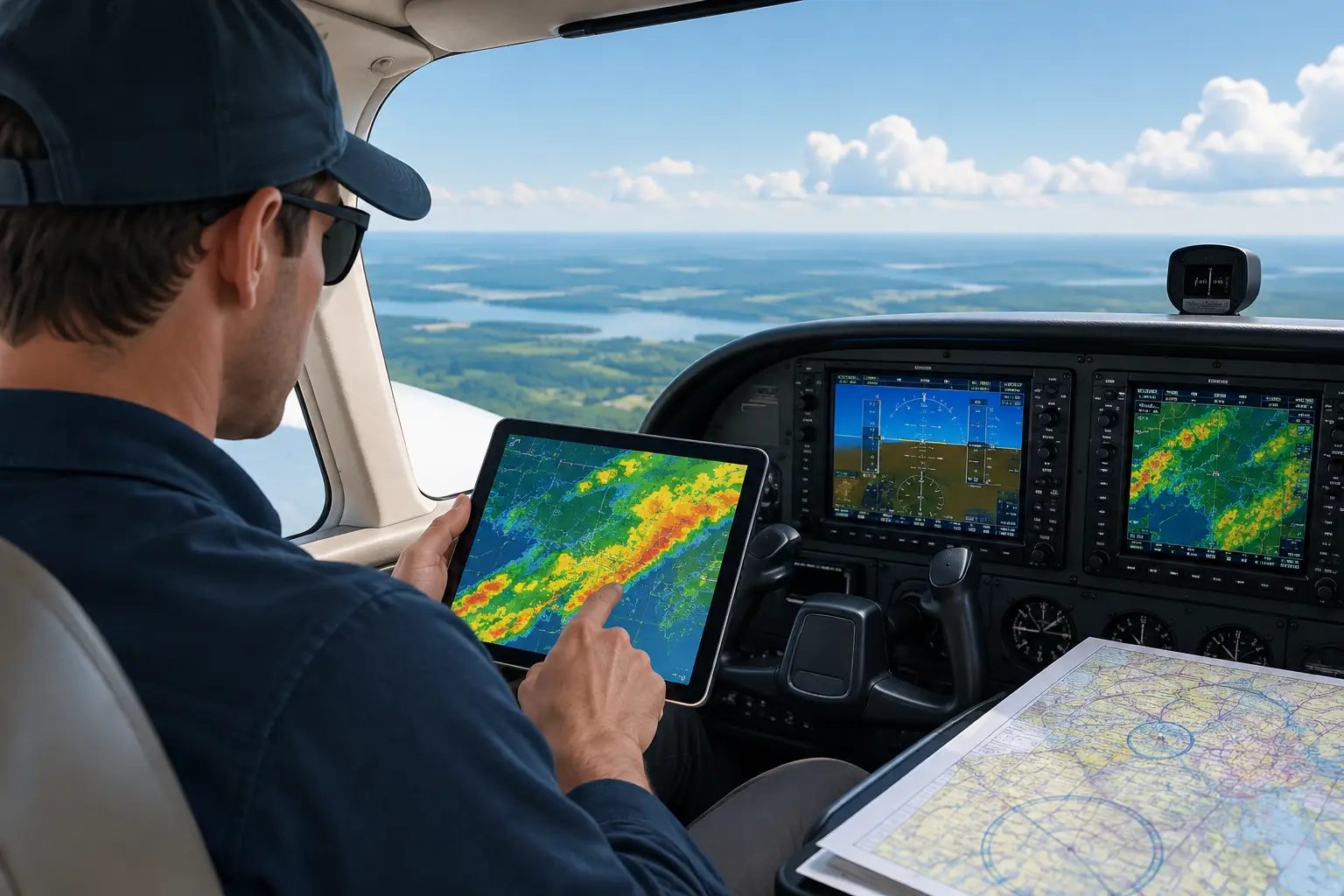
Flight Weather Briefer for Pilots | PlaneWX DSS
Use a flight weather briefer built as pilot decision support. PlaneWX structures the brief, FRAT, and mentor path so you stay PIC. Light AI assist, clear go/no-go ownership.

Pilot Weather Decision Support Before TAFs Exist
Days before a TAF exists, the question is commitment, not briefing detail. Use route pattern, probabilities, and personal mins to decide while options are still cheap.

Best Weather Resources for Private Pilots (The Real Stack)
METARs, TAFs, AFDs, models, and EFBs each answer a different question. Build a weather stack for private pilots that works 5 days out and 5 hours out.

WX Score for Flight Planning: What It Actually Tells You
A WX Score is useful when it shows trip viability days out against your aircraft and personal mins, not as a green light. Read the why behind the number.

Flight Weather Editor for Pilots
A flight weather editor is how you revise route, timing, and go/no-go before pressure locks in. Score the window to your aircraft and personal mins, then decide.
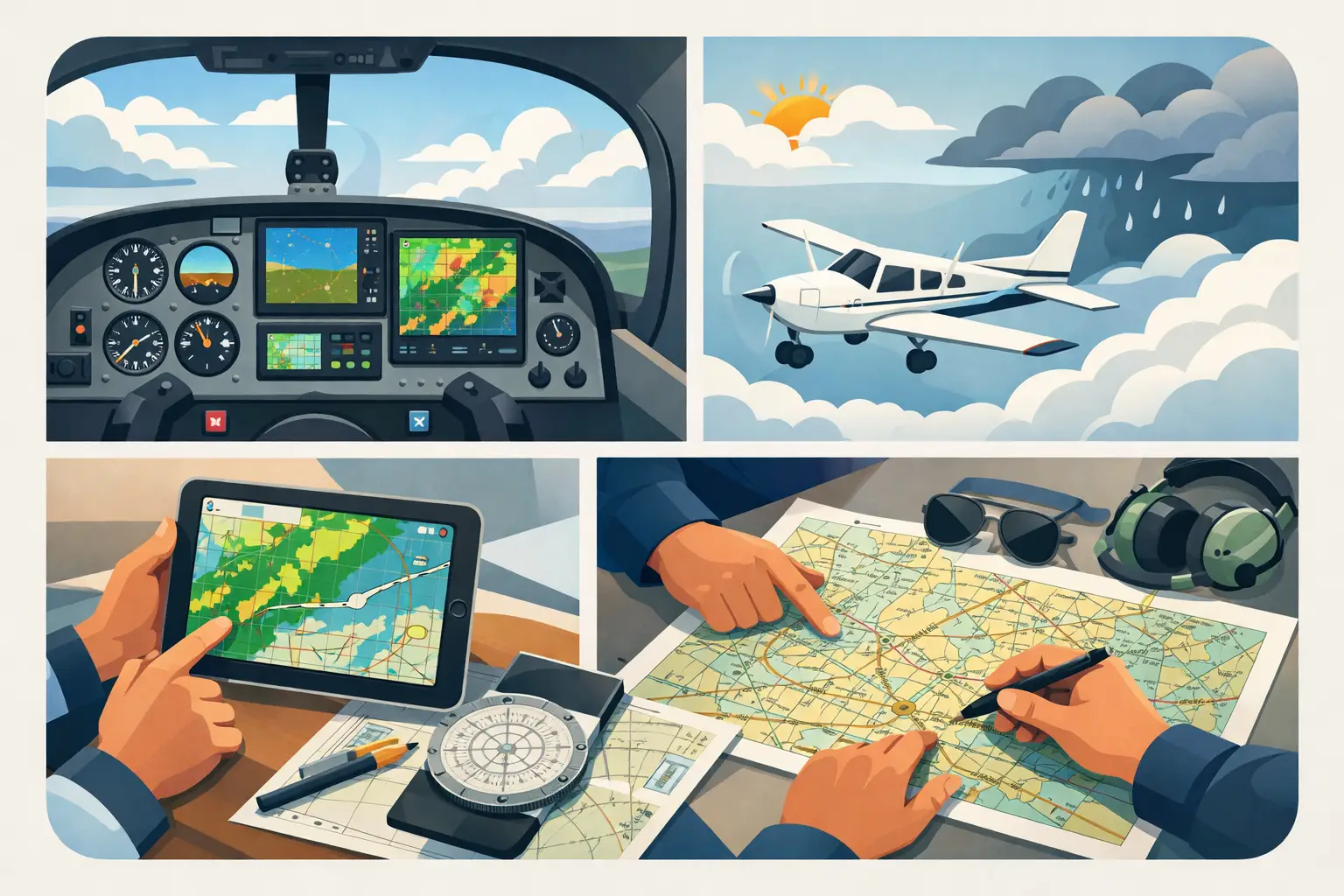
Flight Weather Windows for Small Aircraft: GA Mission Planning
Flight weather windows for piston, light twin, and turboprop missions: what a usable window means, how it differs from destination VFR, and how to plan days before a TAF. Not a hotel or travel booking window.

Mountain Route Diversion: Decide Before the Pass
A mountain route diversion is rarely a single turn. Plan alternates, fuel, terrain margins, and timing early so pressure does not make the decision today.

Does Aircraft Equipment Affect Weather Viability?
Does aircraft equipment affect weather viability? See how avionics, ice protection, performance, and pilot limits shape a real go/no-go decision well before departure.

General Aviation Weather Commitment Guide
Use this general aviation weather commitment guide to assess multi-day risk, protect your margins, and make earlier, calmer trip decisions with context.

7 Best Tools for Weekend Flight Planning
Find the best tools for weekend flight planning, from early pattern intelligence to departure-day briefs, so commitments never outrun your own margins.

How to Plan Alternate Airports Early for Trips
Learn how to plan alternate airports early with route trends, fuel margins, and personal minimums, before a tight forecast turns into a rushed decision.

Are Weather Probabilities Useful for Pilots?
Are weather probabilities useful for pilots? Use forecast odds to spot risk sooner, plan backup options, and make calmer go/no-go decisions on real trips.

Business Flight Rerouting Before It Becomes Urgent
Business flight rerouting starts days before departure. Learn how to spot route trouble early, protect the mission, and avoid a pressured go/no-go call.
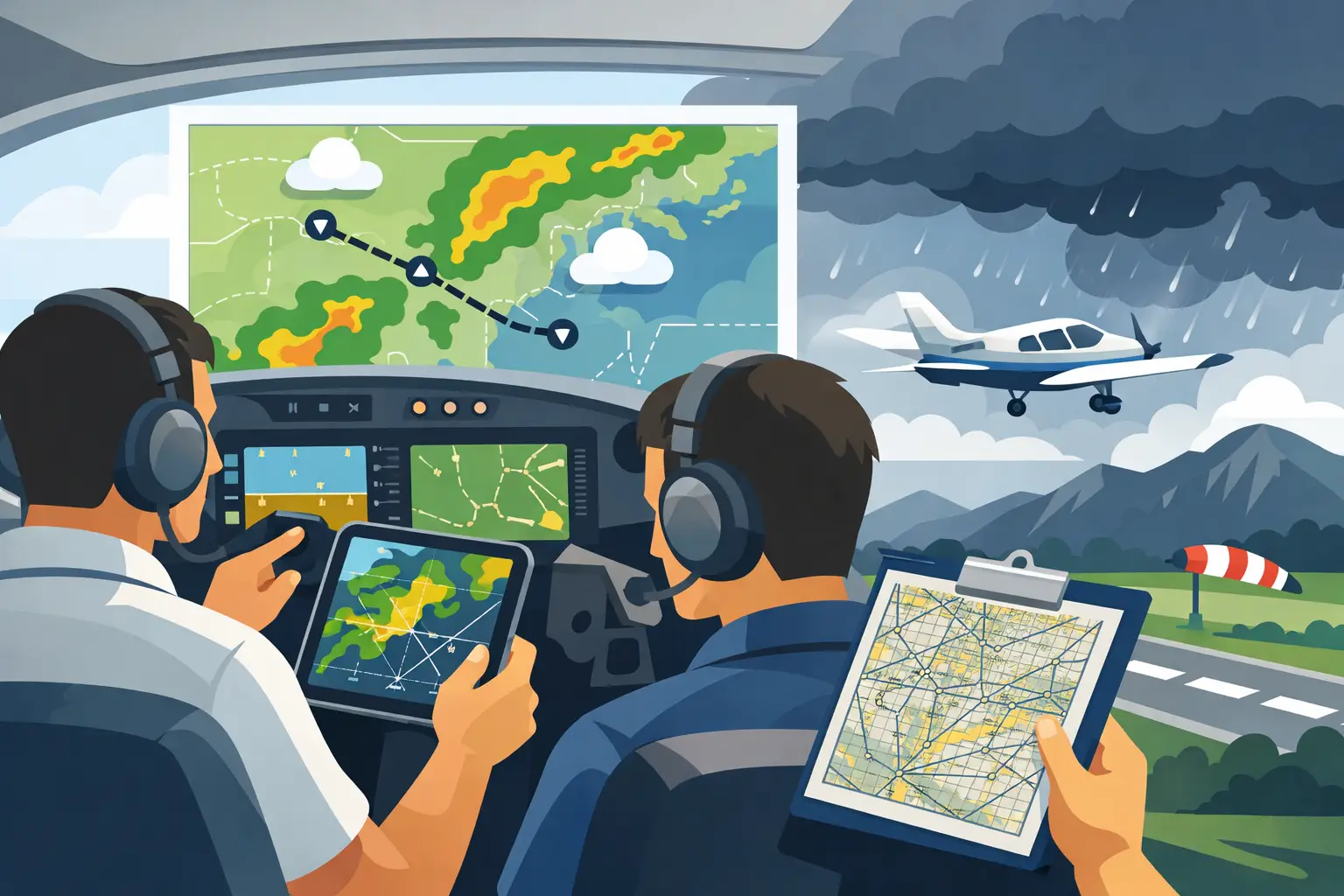
7 Clear Signs Your Trip Needs Rescheduling
Learn the signs a trip needs rescheduling before packed bags and fixed commitments turn a changing weather pattern into a pressured go/no-go call early.

What Causes Route Forecast Uncertainty Aloft?
What causes route forecast uncertainty? Learn how timing, terrain, model limits, and changing weather patterns affect your flight decision days ahead.

How to Use Forecast Ensembles When Flying
Learn how to use forecast ensembles flying to spot uncertainty early, plan alternates, and make better go/no-go calls before TAFs arrive on your planned route.
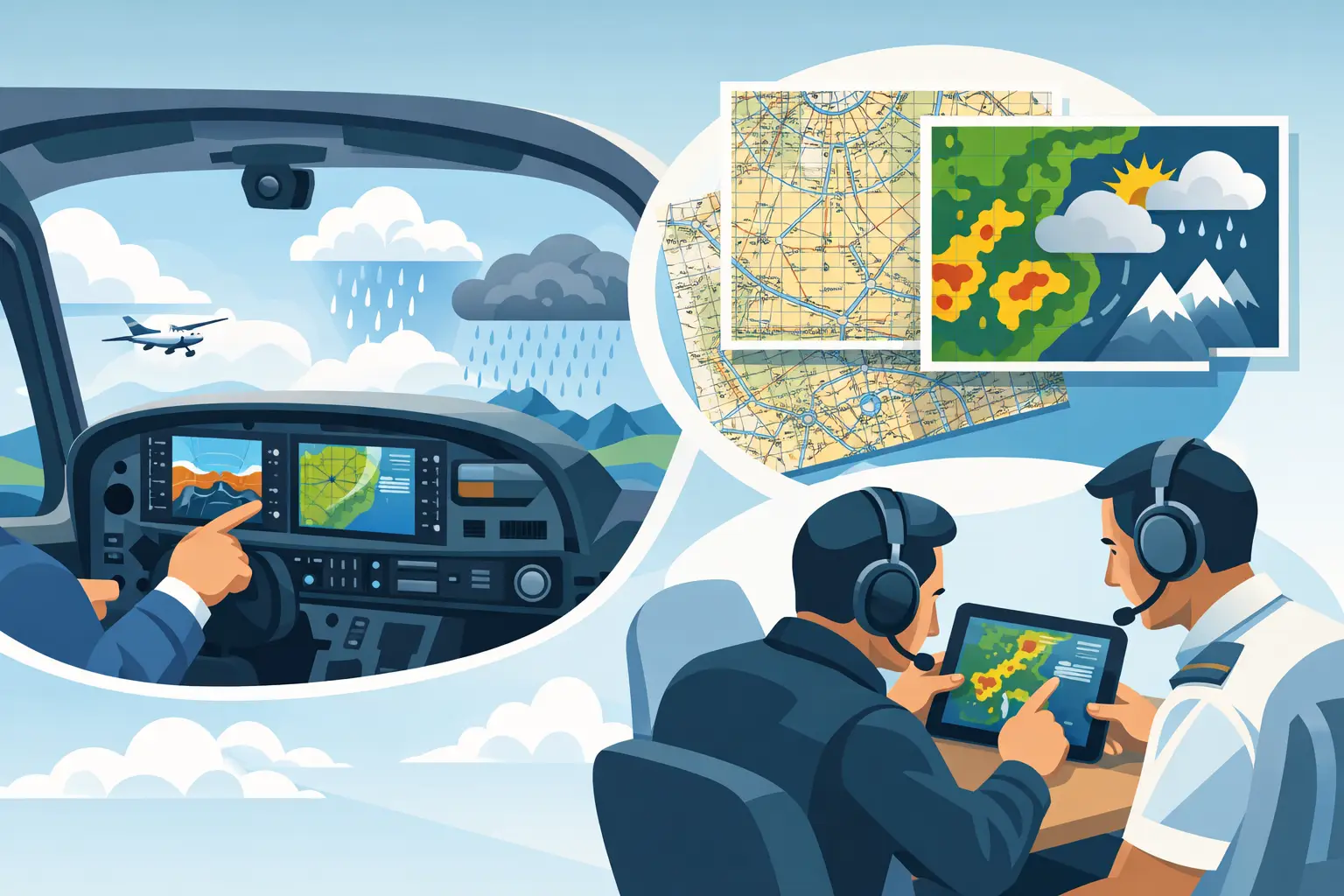
8 Top Weather Signals for Route Viability
Read the top weather signals for route viability before TAFs arrive, so you can see a changing pattern early and make smarter trip commitments with time.

Best Practices for Alternate Day Planning
Best practices for alternate day planning help pilots protect the mission, set decision gates, and avoid a pressured weather call before departure day.

How to Plan Mountain Route Weather Before You Commit
Learn how to plan mountain route weather days ahead, spot terrain-driven risks, and make a calmer go/no-go call before family and schedules press you.

When Should Pilots Trust Outlooks? Practical Rules
When should pilots trust outlooks? Learn to weigh weather trends, model agreement, and timing uncertainty before committing to a cross-country flight.

Aviation Forecast Software for Earlier Go/No-Go
See how aviation forecast software gives GA pilots earlier route insight, clearer weather trends, and more time to make sound trip decisions under pressure

Top Factors Behind Changing Flight Forecasts
Learn the top factors behind changing flight forecasts, how to read trend signals, and when a shifting outlook should change your flight plan preflight.

WX Score Review for Serious Cross-Country Pilots
A WX Score review for cross country pilots: learn what a route viability probability can tell you days before TAFs and how to use it wisely for planning.

Pilot Decision Software for Real-World Trips
Pilot decision software helps GA pilots see weather risk days ahead, weigh personal minimums, and make trip calls before outside pressure sets in hard.
Why Does My Flight Forecast Keep Changing?
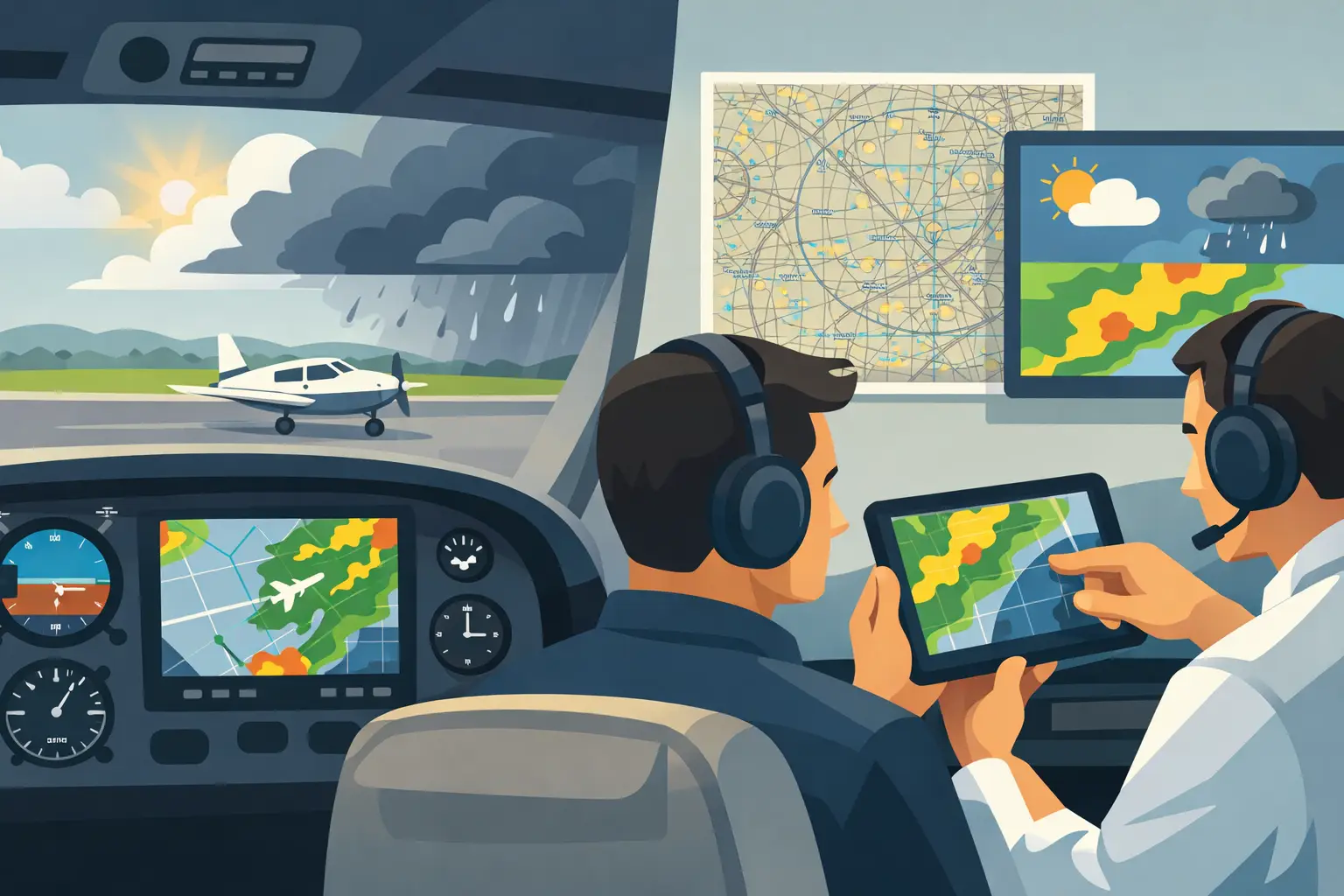
Why does my flight forecast keep changing? Learn what shifts forecasts, how to read the trend, and when to reset a GA trip before pressure builds at home.

Flight Planning Uncertainty Starts Before TAFs
Flight planning uncertainty is not a forecast failure. Learn how to spot shifting patterns early and protect your next real-world trip before plans set.

Cross Country Dispatch Decisions Start Early
Make better cross country dispatch decisions before TAFs arrive. See the pattern, weigh margins, and protect the mission against last-minute pressure.
Area Forecast Discussion vs Models for Pilots
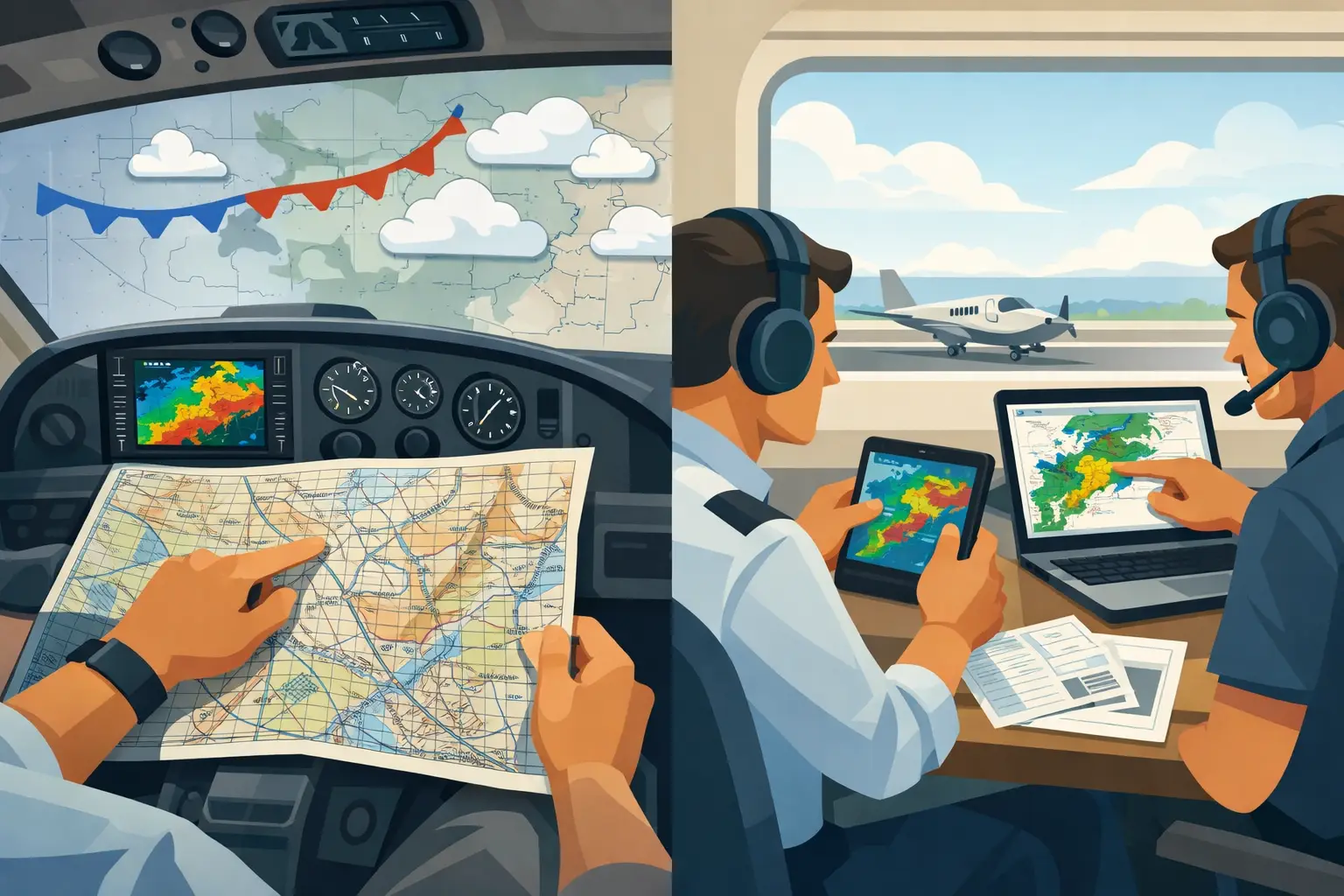
Area forecast discussion vs models helps pilots see why forecasts change, weigh uncertainty, and make earlier, calmer trip decisions with better context.

Top Preflight Weather Mistakes Pilots Make
Avoid the top preflight weather mistakes pilots make, from trusting a single model to waiting too long to recognize a changing weather pattern in time.

How to Plan Around Forecast Uncertainty for Trips
Plan around forecast uncertainty with earlier weather signals, decision gates, and practical backup options for the GA trips that matter most to you now.

How to Brief Multi-Day Flights Before TAFs
Learn how to brief multi day flights before TAFs arrive, spot changing patterns, and make earlier go/no-go calls without false certainty on real trips.

7 Best Ways to Avoid Weather Surprises Aloft
The best ways to avoid weather surprises start days before departure: read the pattern, watch trends, and protect your personal minimums before launch.

A Practical Guide to Pilot-Specific Weather Risk
This guide to pilot-specific weather risk helps GA pilots spot threats early, weigh personal minimums, and make better trip decisions before departure.

Probability Based Weather Planning for Pilots
Probability based weather planning helps pilots make earlier, calmer trip decisions by weighing uncertainty, route risk, and personal minimums days ahead.

A Guide to Forecast Updates Before Departure
A guide to forecast updates before departure helps GA pilots track trends, reset plans, and make better go/no-go calls before bags are packed for flight.

NBM Probabilities vs TAFs for GA Flight Planning
Compare NBM probabilities vs TAFs for real GA trip planning, and learn when each forecast sharpens your go/no-go decision before departure becomes useful.

Guide to Weather Decision Margins for Pilots
A practical guide to weather decision margins for pilots making real trips, with a framework for setting limits before pressure narrows your options early.
How to Read Area Forecast Discussions
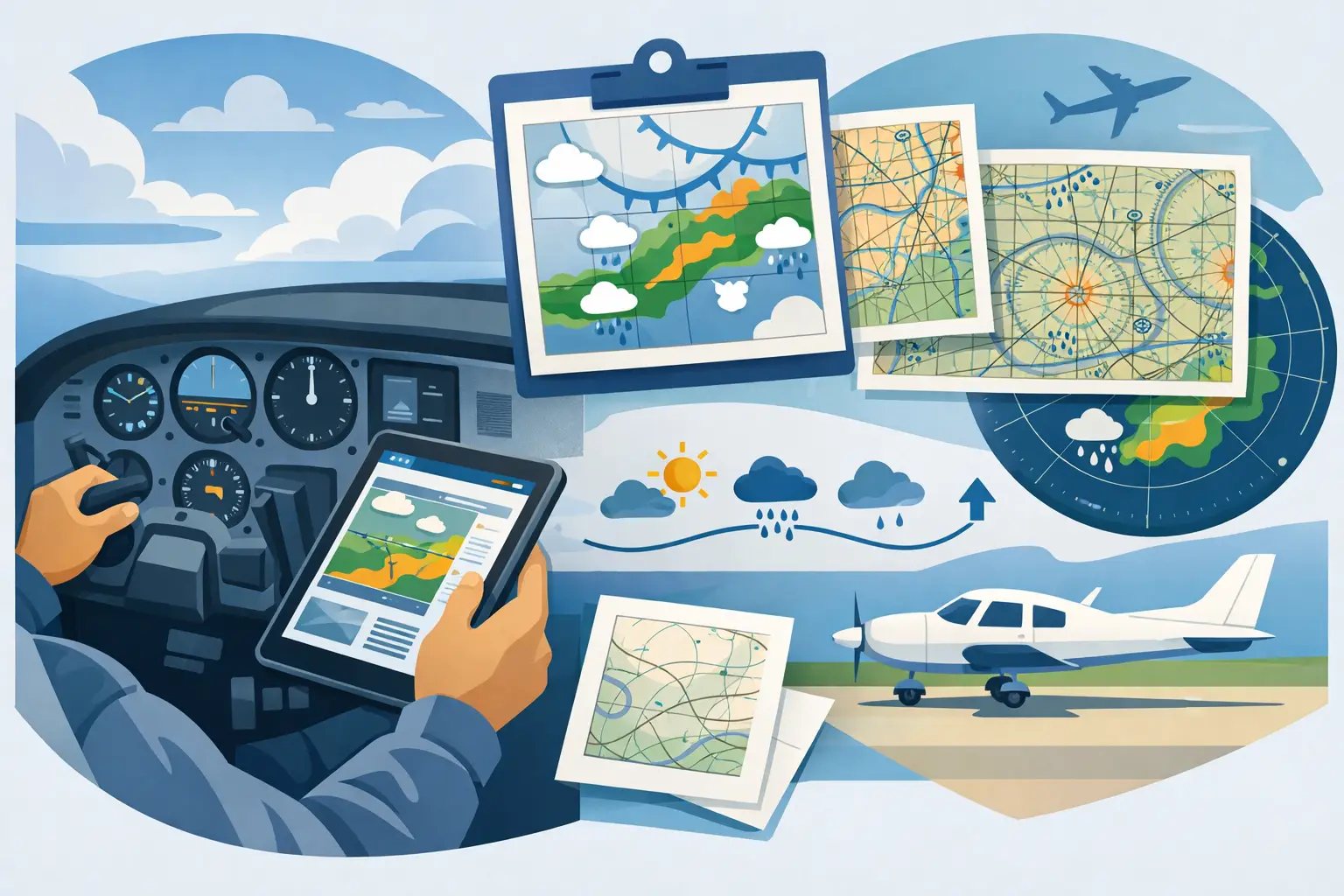
Learn how to read area forecast discussions like a pilot, spot risk early, and make better go/no-go calls before TAFs are available.
Single Pilot IFR Planning Example That Holds Up
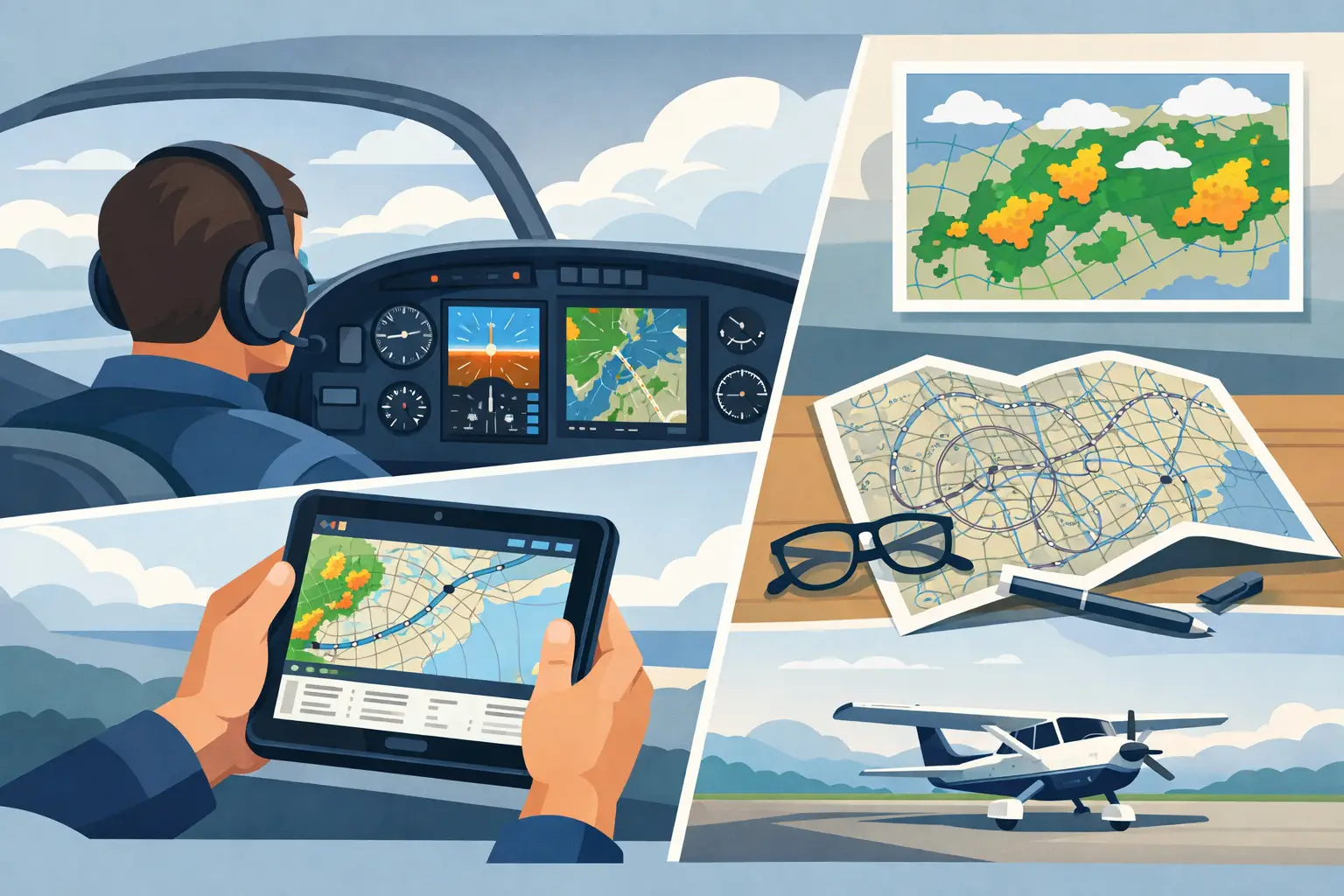
A single pilot IFR planning example for real trips - how to assess weather, alternates, fuel, and personal minimums before pressure makes the call.

Route Outlook vs Airport Forecast
Route outlook vs airport forecast: what each tells a GA pilot, where each falls short, and how to make better go/no-go calls days ahead.
How to Customize Pilot Weather Thresholds
Learn how to customize pilot weather thresholds for your ratings, aircraft, and route so go/no-go calls get clearer days before departure.

What Makes Flight Weather Viable?
What makes a flight weather viable? It comes down to route, timing, aircraft, and pilot limits - not a single forecast or green-looking map.

Best Tools for Trip Weather Decisions
Best tools for trip weather decisions for GA pilots - what to use, when to use it, and how to reduce go/no-go stress days before departure.
What Weather Trends Matter for IFR Departures?
What weather trends matter for IFR departures? Focus on ceilings, visibility, convection, winds, and timing shifts before launch day.

Pilot Guide to Weather Pattern Interpretation
A practical pilot guide to weather pattern interpretation for better go or no-go calls days ahead, before TAFs exist and pressure starts to build.

Future of AI in Pilot Weather Planning
The future of AI in pilot weather planning is earlier, clearer go/no-go insight - built around probability, route context, and pilot-specific risk.

7 Top Pre Departure Weather Decision Mistakes
Avoid the top pre departure weather decision mistakes GA pilots make when planning real trips and make earlier, calmer go or stay calls.

A Weather Workflow for Instrument Pilots
A practical weather workflow for instrument pilots to make earlier, calmer go-or-stay decisions with better trend awareness and less last-minute stress.

Route Weather Synthesis vs Single Airport Forecast
Route weather synthesis vs single airport forecast: why trip planning needs the whole route, not one TAF, when pressure builds days before launch.

How to Brief Weather Trends for a Trip
Learn how to brief weather trends for a trip with a pilot’s eye - spotting pattern changes early so go/no-go decisions get easier and smarter.

Strategic Planning vs Tactical Weather Briefing
Strategic planning vs tactical weather briefing for GA pilots - how to decide earlier, reduce pressure, and make better go or stay calls.

When Do Aviation Forecasts Stabilize?
When do aviation forecasts stabilize? Learn what really firms up at 5 days, 72 hours, 48 hours, and 24 hours so you can plan trips with less stress.

How to Evaluate Changing Forecast Trends
Learn how to evaluate changing forecast trends for real trip planning, spot deterioration early, and make calmer go-or-stay calls.

A Pilot’s Guide to Planning Flights Days Ahead
A pilot’s guide to planning flights days ahead - read patterns earlier, manage pressure, and make better go or stay decisions before TAFs arrive.

Owner Operator Flight Planning Workflow
A practical owner operator flight planning workflow for earlier weather insight, better go/no-go calls, and less last-minute stress on real trips.

Weather Trend Analysis in Aviation
Weather trend analysis in aviation helps pilots judge whether a trip is improving or falling apart before TAFs arrive and pressure starts to build.

Weather Probabilities vs Deterministic Forecasts
Weather probabilities vs deterministic forecasts: what GA pilots should trust, when each helps, and how to make better go/no-go calls earlier.
A Pilot’s Guide to Route Based Weather Decisions
A pilot’s guide to route based weather decisions - how to judge trends, pressure points, and flight viability before TAFs arrive.
IFR Business Trip Weather Planning Example
An IFR business trip weather planning example showing how to judge risk 3-5 days out, spot trend changes, and make better go or stay calls.

Weather Planning Platform Review for Pilots
A weather planning platform review for pilots who need earlier insight, better trip decisions, and less stress before TAFs and day-of weather.
Can AI Improve Preflight Weather Decisions?
Can AI improve preflight weather decisions? Yes, if it adds context, timing, and route-specific probabilities while keeping the pilot in command.
Probabilistic Weather Briefing vs Deterministic Forecast
Probabilistic weather briefing vs deterministic forecast for GA pilots: what each tells you, where each fails, and how to plan earlier with less guesswork.

How to Set Weather Based Flight Thresholds
Learn how to set weather based flight thresholds that fit your aircraft, ratings, route, and real-world pressure before go/no-go decisions get hard.

How to Plan Flights Before TAFs
Learn how to plan flights before TAFs using patterns, AFDs, NBM trends, and route risk so you can make better go or stay decisions earlier.

WX Score vs Raw Forecast Data
WX Score vs raw forecast data - see why pilots need more than model output when making 3- to 5-day go/no-go calls under real trip pressure.

planeWX Review for Serious Pilots
A practical planeWX review for serious pilots who need weather judgment 3-5 days out, before TAFs, bookings, passengers, and pressure pile up.

Flight Decision Support Software Review
Flight decision support software review for GA pilots: what matters beyond TAF range, where tools help, and how to judge real trip viability.

Using Model Probabilities for Flight Decisions
Using model probabilities for flight decisions helps pilots plan earlier, weigh risk honestly, and make better go or stay calls before TAFs exist.

Probability Based Flight Planning That Helps
Probability based flight planning helps GA pilots decide earlier, with less stress, by turning shifting forecast signals into useful go/no-go guidance.

Can Pilots Plan Trips Three Days Ahead?
Can pilots plan trips three days ahead? Yes - if you use patterns, probabilities, and route-level context instead of waiting on TAFs alone.
Multi Day Flight Planning That Holds Up
Multi day flight planning gets easier when you read patterns, pressure systems, and risk early so go or stay decisions are calmer.

How to Use WX Score for Better Go/No-Go Calls
Learn how to use WX Score to judge trip viability days ahead, weigh forecast risk, and make better go/no-go calls with less last-minute stress.

How to Evaluate Weather Days Before Departure
Learn how to evaluate weather days before departure using trends, AFDs, models, and route risk so you can make earlier, calmer go/no-go calls.
How to Interpret Aviation Probability Forecasts
Learn how to interpret aviation probability forecasts for real go/no-go decisions, with practical ways to weigh uncertainty, trends, and route risk.

Area Forecast Discussion vs TAF
Area forecast discussion vs TAF: what each tells a GA pilot, when to trust one more, and how to plan earlier with less weather guesswork.

Pilot Weather Tools Comparison for Real Trips
A pilot weather tools comparison for GA trips: where METARs, TAFs, EFBs, models, and route planning help - and where each tool falls short.

A Pilot’s Guide to Synoptic Intelligence
A practical guide to synoptic intelligence for pilots who need earlier weather clarity, better go/no-go judgment, and less last-minute stress.

How to Plan Flights With Uncertain Weather
Learn how to plan flights with uncertain weather using patterns, probabilities, and smart decision points before TAFs arrive and pressure builds.

General Aviation Weather Planning Guide
A practical general aviation weather planning guide for pilots making real trip decisions 3-5 days out, before TAFs, with less stress and better judgment.
What Forecast Confidence Means for Pilots
What does forecast confidence mean for pilots? Learn how to judge uncertainty, trend changes, and make better go or stay decisions before TAFs.
How to Reduce Preflight Weather Uncertainty
Learn how to reduce preflight weather uncertainty with earlier pattern analysis, route-specific risk checks, and smarter go/no-go timing.

Pilot Guide to Forecast Confidence
A pilot guide to forecast confidence: how to judge changing weather patterns 3-5 days out and make better go/no-go calls before TAFs exist.

When Should Pilots Trust Long Range Forecasts?
When should pilots trust long range forecasts? Learn what holds up beyond 24 hours, what changes fast, and how to plan trips with better judgment.

Icing Forecast for Small Aircraft
How to read an icing forecast for small aircraft earlier, weigh uncertainty, and make better go-or-stay calls before pressure builds.

VFR Weather Go No Go: How Pilots Decide
VFR weather go no go decisions get harder when plans are set. Here’s a practical pilot’s framework for judging risk before launch day arrives.
How an IFR Weather Decision Tool Helps
An IFR weather decision tool helps pilots judge trip viability days ahead, before TAFs post, so go/no-go calls get clearer with less stress.
Flight Cancellation Prediction Weather for GA
Flight cancellation prediction weather for GA pilots - how to judge risk 3-5 days out, spot pattern changes early, and make calmer go/no-go calls.

PAVE Risk Assessment Weather for Real Trips
What PAVE stands for in aviation, a practical PAVE checklist for cross-country flying, and how weather leaks into every leg of the PAVE model. Soft bridge to a living FRAT. PIC decides.

Personal Minimums Weather Planning That Holds Up
Personal minimums weather planning works best before TAF time. Build limits around trend, route, and pressure so your go/no-go calls get easier.

Advanced Pilot Weather Briefing That Helps
An advanced pilot weather briefing helps you decide earlier, see trend changes, and make calmer go/no-go calls before TAFs are even available.
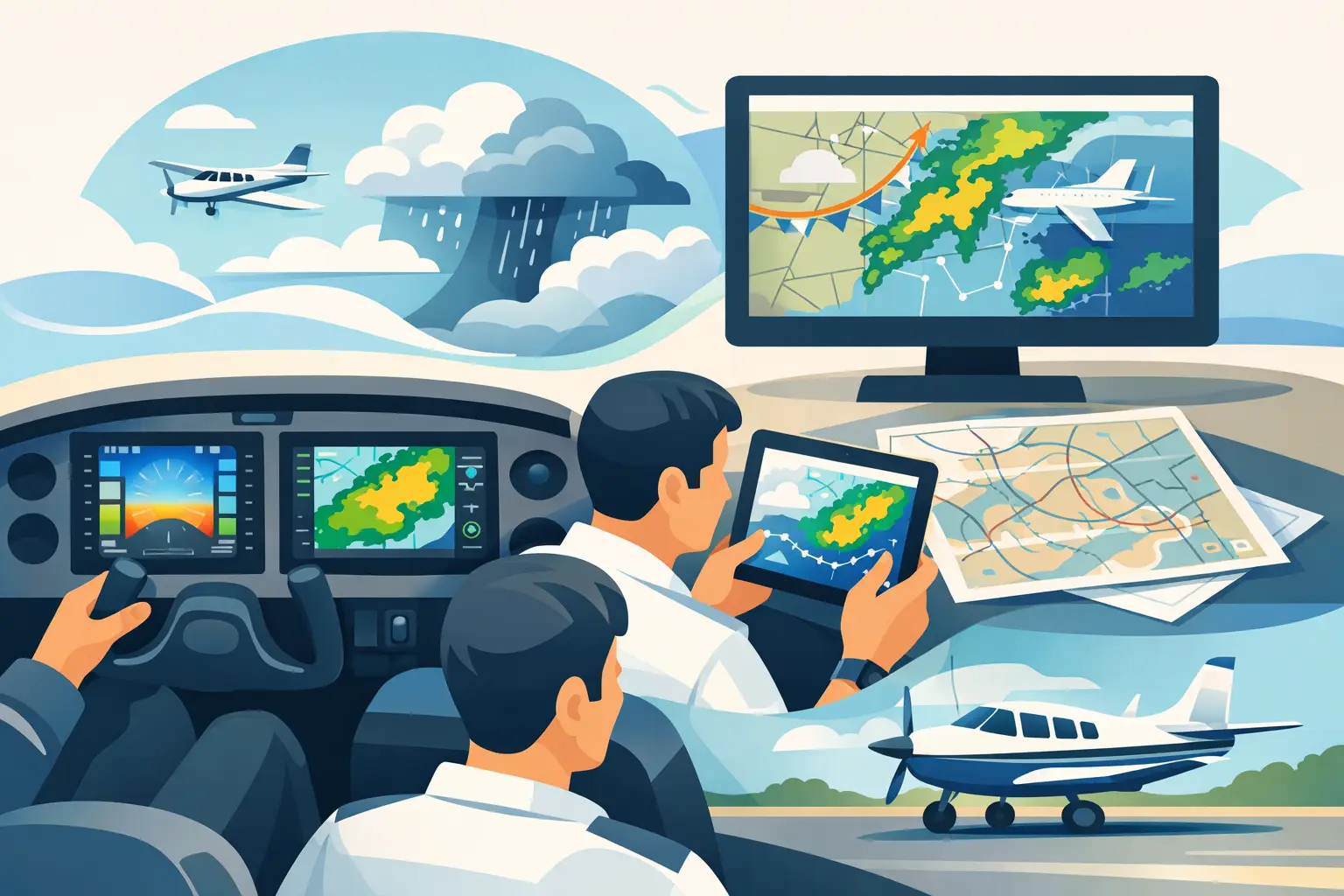
AI Weather Forecasting in Aviation
AI weather forecasting aviation gives pilots earlier insight before TAFs exist, helping them plan real trips with better judgment and less pressure.
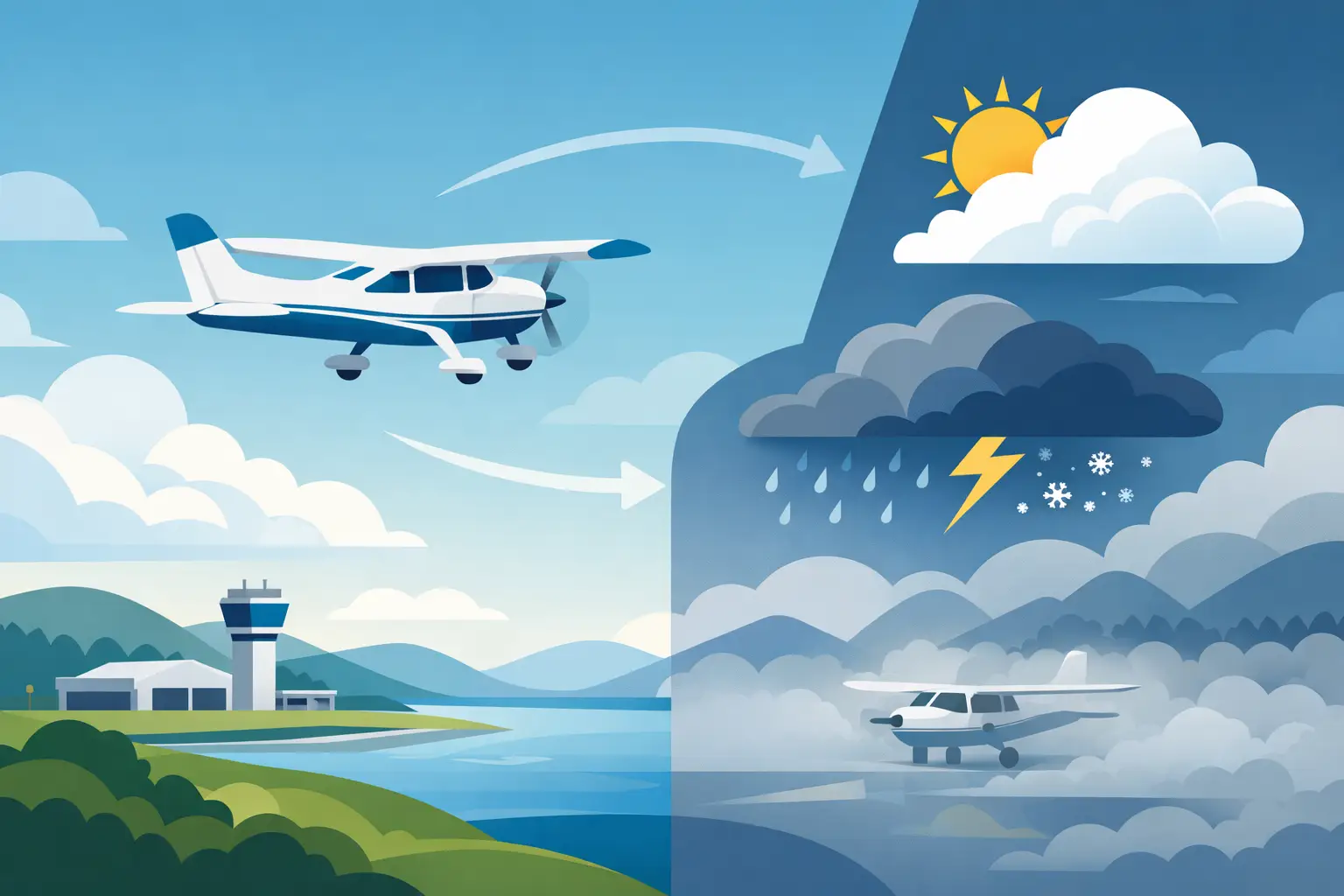
Pilot Decision Making Weather for GA Flights
Pilot decision making weather starts days before departure. Learn how GA pilots assess forecast risk, uncertainty, and go-no-go timing.
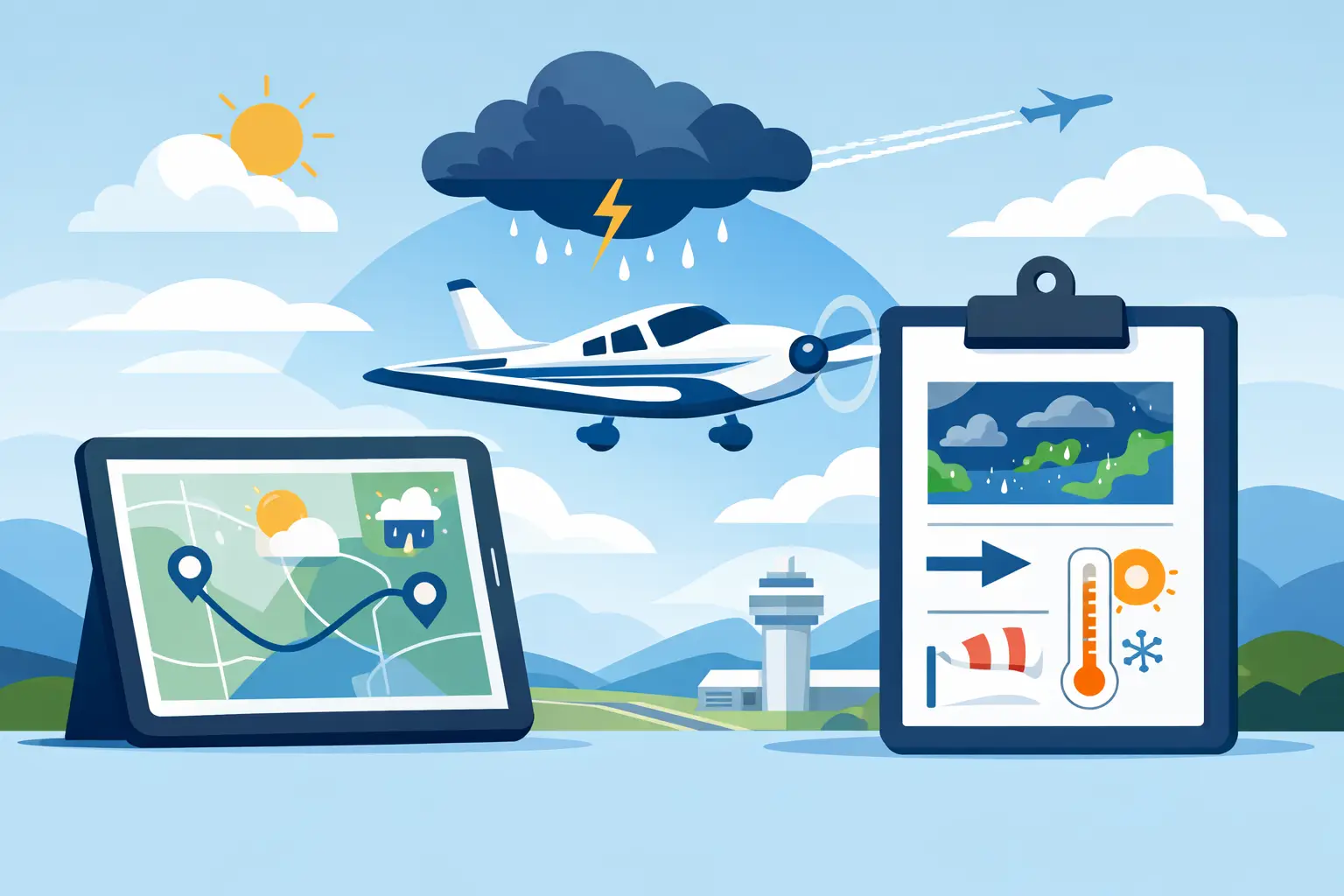
Cross Country Flight Planning Weather Tips
Cross-country flight planning starts days before engine start. Here's how GA pilots read weather trends early, set personal minimums, and use tools like PlaneWX to make cleaner go/no-go decisions.

Weather Risk Assessment for Pilots
Weather risk assessment for pilots means judging trends, uncertainty, and mission fit early so go-no-go decisions get sharper before flight day.
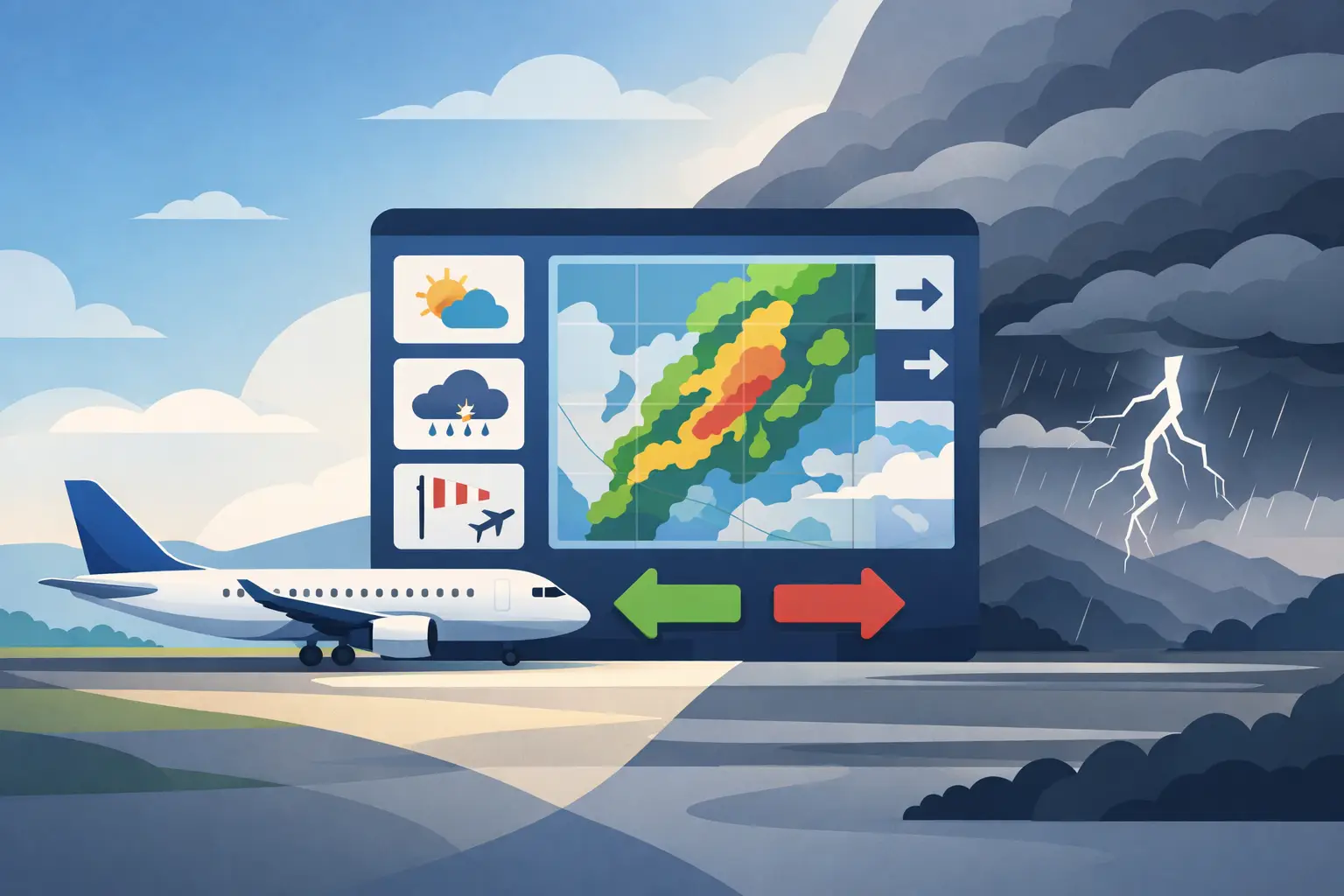
Aviation Weather Intelligence for Better Go/No-Go
Aviation weather intelligence helps GA pilots assess risk earlier, plan smarter, and make clearer go/no-go decisions days before departure.

Long Range Aviation Weather Forecasts That Help
A long range aviation weather forecast helps pilots plan earlier, judge risk better, and make smarter go/no-go calls before briefing day.